
The Catalyst Brief
Week of October 19–25, 2026
Editor's Note
This week's reporting turned on what kind of evidence regulators and buyers will accept. The FDA approved GSK's Hibsago, a six-month course aimed at a functional cure for chronic hepatitis B rather than lifelong suppression. Disc Medicine returned with Phase 3 outcome data after a February rejection that rested on a biomarker. Merck KGaA paid a 130% premium for a Phase 3-ready siRNA program, and Labcorp bought established prenatal test volume from Myriad Genetics. In Washington, Treasury proposed bringing biotechnology into outbound investment controls, drawing its line around ownership rather than contracts.
Top Stories
FDA Approves GSK's Hibsago, a Six-Month Course Aimed at Functional Cure in Hepatitis B
The Catalyst Brief – October 22, 2026
Summary:
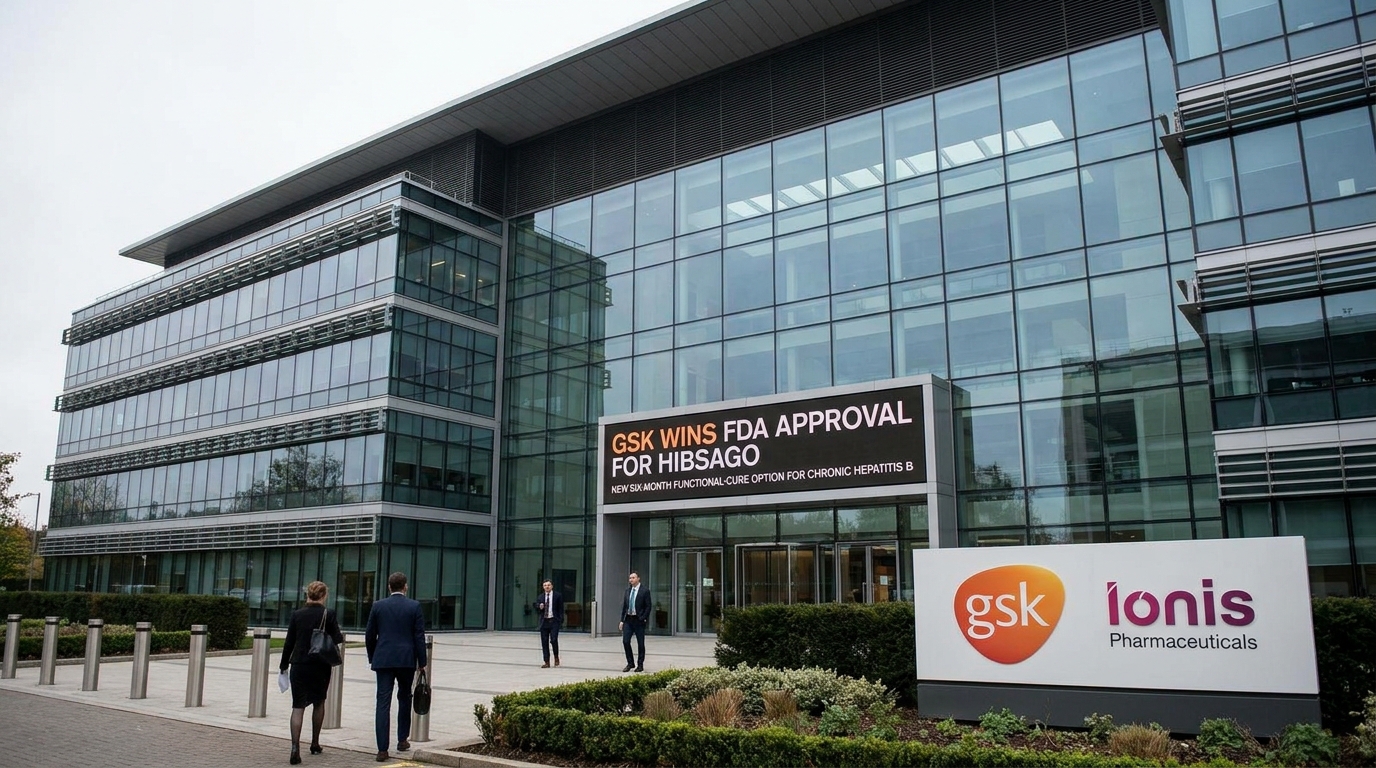
GSK said on October 20 that the FDA approved Hibsago (bepirovirsen) for chronic hepatitis B, used with nucleos(t)ide analogue therapy. The label covers adults without cirrhosis who have taken that therapy for at least six months, have suppressed viral DNA and have surface antigen levels of 3,000 IU/ml or less on an FDA-authorised test. Pooled data from the B-Well 1 and B-Well 2 Phase 3 trials showed a 19% functional cure rate: 233 of 1,220 patients, against none of 614 on placebo. Functional cure means the virus and its surface antigen stay undetectable for at least 24 weeks after all treatment stops. GSK licensed the antisense drug from Ionis.
Why it matters:
Current care usually means indefinite antiviral therapy, and GSK says standard treatment achieves functional cure in under 1% of patients after a year. The test-gated label narrows the starting population, so diagnostic uptake will shape how quickly use grows.
Treasury Proposes Bringing Biotechnology Into Outbound Investment Controls
The Catalyst Brief – October 23, 2026
Summary:
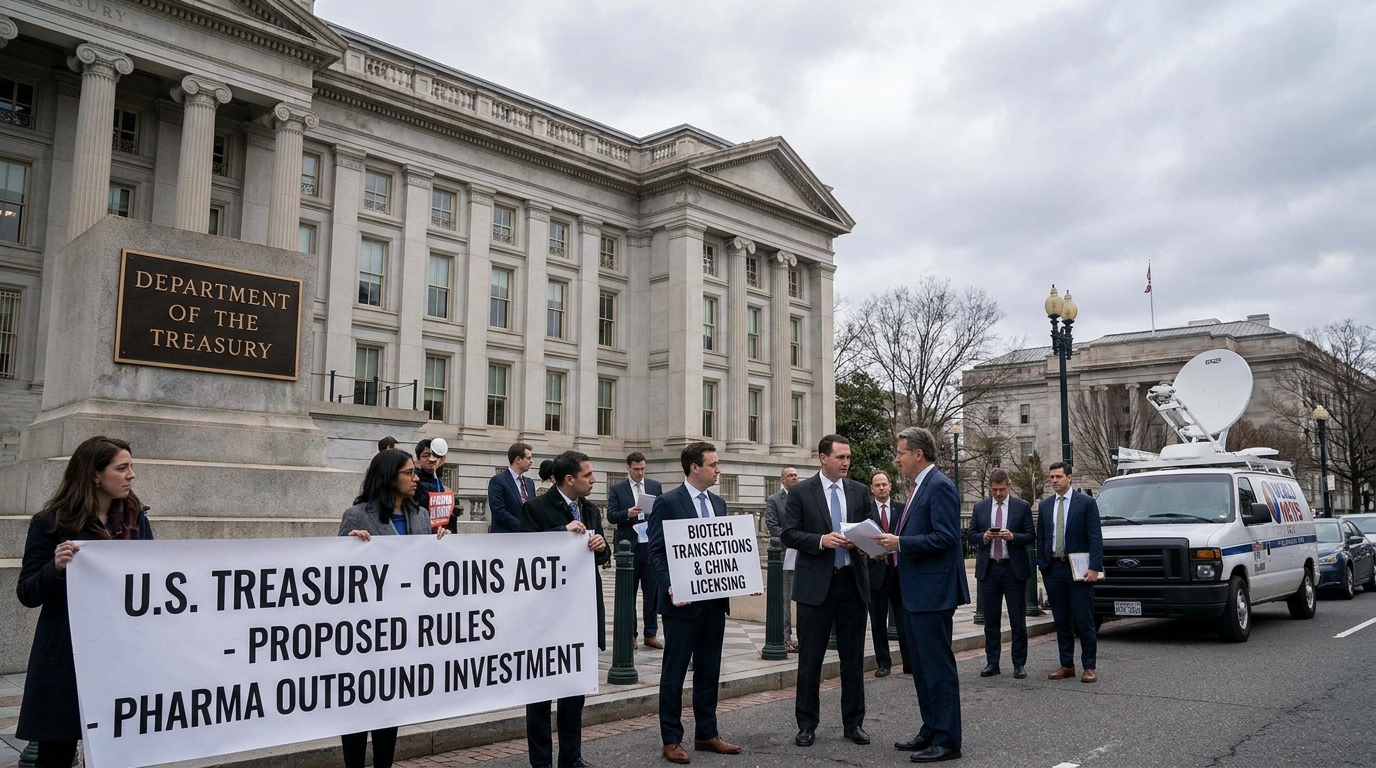
On October 22, the Treasury Department issued a proposed rule to implement the Comprehensive Outbound Investment National Security (COINS) Act, enacted in December 2025. The proposal adds biotechnology to the covered sectors. It would bar U.S. investment in companies from countries of concern, including China, that work on certain bio-derived compounds, biomanufacturing equipment, biological design and sequencing, or bioinformatics tools. Covered transactions include equity stakes, certain convertible debt, joint ventures, greenfield expansions and some fund investments. Contractual arrangements are excepted unless they involve technology transfer. Transactions completed before December 18, 2025 are exempt. Public comments close December 7, 2026.
Why it matters:
The proposal draws its line at ownership rather than asset access. Cash-and-royalty licensing appears to sit largely outside its scope, while equity-linked partnerships and joint ventures face new review. Dealmakers will read the final definitions closely.
Merck KGaA Agrees to Buy Silence Therapeutics at a 130% Premium
The Catalyst Brief – October 20, 2026
Summary:
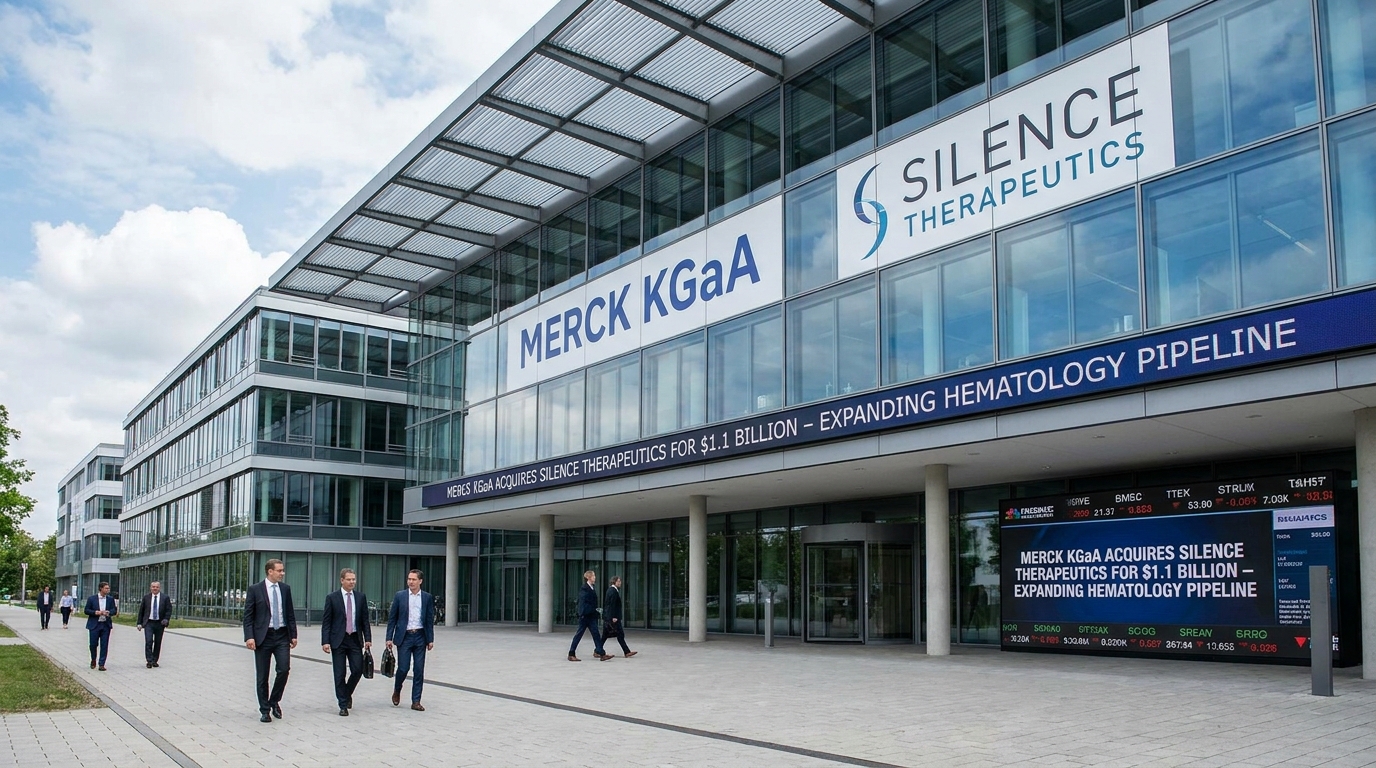
Merck KGaA, Darmstadt, Germany, agreed on October 19 to acquire Silence Therapeutics in an all-cash deal that values the U.K. siRNA developer at about $1.1 billion in enterprise value and $1.3 billion in equity value. Holders receive $20 per American depositary share, a 130% premium to the October 16 close and 82% above the 30-day average price of $10.99. The main asset is divesiran, a Phase 3-ready siRNA candidate for polycythemia vera, a rare blood cancer. Group CEO Kai Beckmann said the deal strengthens the company's capabilities in specialty and rare diseases. Closing is expected in the first quarter of 2027, subject to shareholder, court and regulatory approvals.
Why it matters:
Merck KGaA is buying the program at the point where Phase 3 cost and risk begin. The premium reflects Phase 2 data; the pivotal trial now has to justify the price, and Merck KGaA carries that outcome.
Disc Medicine's Bitopertin Meets All Phase 3 Endpoints After a February FDA Rejection
The Catalyst Brief – October 19, 2026
Summary:
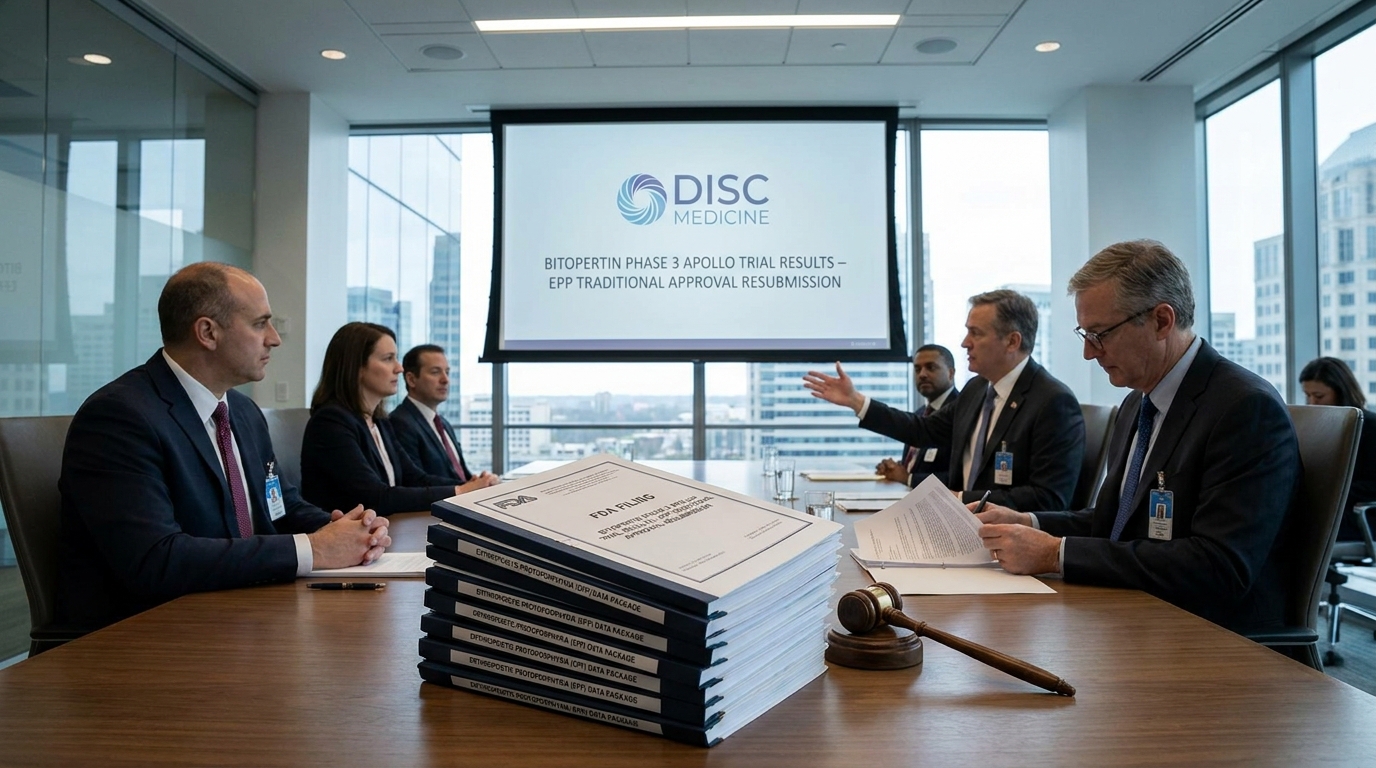
Disc Medicine said on October 19 that APOLLO, its Phase 3 trial of bitopertin in erythropoietic protoporphyria and X-linked protoporphyria, met both co-primary endpoints and all secondary endpoints. The trial enrolled 183 patients aged 12 and older, randomized to 60 mg daily or placebo for six months. Bitopertin cut the PPIX biomarker by 41.4% versus placebo and added 12.2 hours of average monthly pain-free time in light during month six. Dizziness, the most common side effect, affected 50% of treated patients and was mild to moderate. In February, the FDA rejected an accelerated application built on the biomarker. Disc plans to resubmit by year-end, with a decision expected by mid-2027.
Why it matters:
The FDA had found no evidence that the biomarker change tracked with patient benefit. APOLLO now supplies direct functional evidence, which moves the question from surrogate validity to a standard efficacy review.
Labcorp Buys Myriad Genetics' Prenatal Testing Business for $210 Million
The Catalyst Brief – October 22, 2026
Summary:
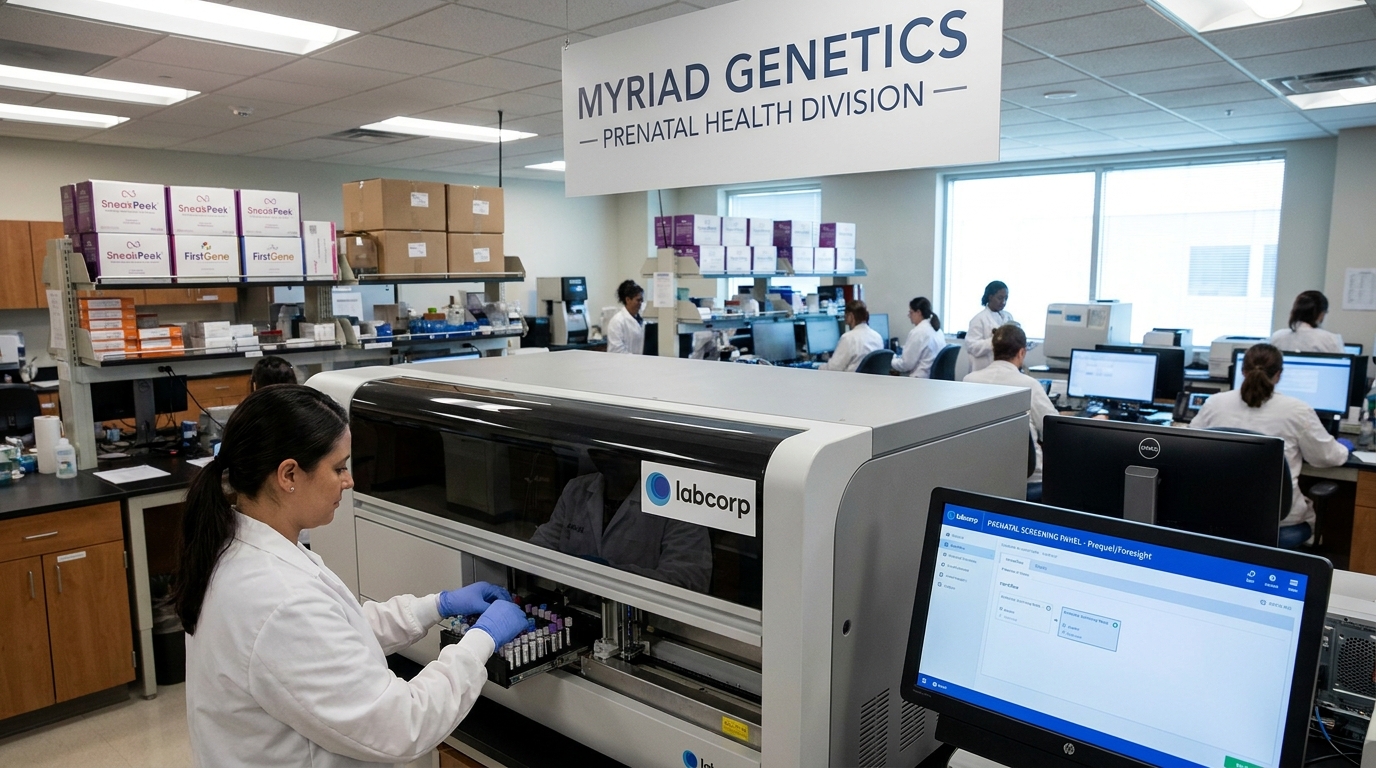
Myriad Genetics agreed on October 20 to sell its Prenatal Health testing business to Labcorp for $210 million in cash, plus the value of inventory at closing. The sale covers the Prequel, Foresight, SneakPeek and FirstGene tests, which more than 600,000 patients used over the past twelve months. Labcorp expects the business to add about $160 million of revenue in the first year, to be slightly accretive to adjusted earnings in year one and to reach average diagnostics segment margins by the end of year two. Myriad CEO Sam Raha called the sale the outcome of a strategic review. Closing is expected in early 2027.
Why it matters:
Labcorp is buying established volume and distribution rather than building new tests into a crowded category. For Myriad, the sale narrows the portfolio and adds cash, which the company expects to lift its revenue growth and profitability.
Market & Investment Pulse
Regulators are rewarding outcome evidence. Hibsago was approved on a functional cure endpoint, and Disc's resubmission now rests on pain-free time in light after a biomarker-based application failed.
Buyers pay up for de-risked, late-stage science. Merck KGaA's 130% premium values Silence at $1.1 billion in enterprise value for a program ready to enter Phase 3.
Diagnostics consolidation is priced on volume. Labcorp's $210 million buys more than 600,000 patients a year of testing and about $160 million in expected first-year revenue.
Policy is shaping deal structure. Treasury's proposal targets equity, convertible debt, joint ventures, greenfield expansions and fund stakes in countries of concern, while excepting most contracts. Equity-linked China partnerships now wait on a final rule.
The timelines all run into 2027. Disc expects an FDA decision by mid-2027, Silence's sale is set to close in the first quarter and Labcorp's purchase in early 2027.
What to Watch Next Week
Comments on Treasury's COINS Act proposal, due by December 7.
GSK's regulatory decisions for bepirovirsen in other markets, which it expects in the coming months.
Disc's NDA resubmission for bitopertin, planned by year-end.
Silence shareholder and court approvals ahead of a first-quarter 2027 close.
Regulatory clearance for Labcorp's purchase of Myriad's prenatal business.
Closing
Every story above draws on The Catalyst Brief's reporting. Outcome evidence, deal structure and the line between ownership and access each bore on the probability of success. Read the full analysis at thecatalystbrief.com.
Thank you for reading The Catalyst Brief!
For deeper coverage, explore the full articles linked above. Feel free to forward this brief to colleagues or reply with feedback—your input helps us continue delivering biotech intelligence that improves decision-making and increases the probability of success.